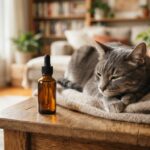

Sleep problems can affect dogs at different stages of life. A puppy may struggle to settle after a change in routine, while an older dog can develop unusual nighttime habits. Noise, travel, environmental changes, and certain health conditions may also affect normal sleep patterns. Before any supplement is considered, the reason for the change matters because poor sleep can sometimes be a sign of another problem.
Melatonin is a hormone produced naturally by the pineal gland. It helps regulate the body’s sleep-wake cycle and responds to changes in light and darkness. In veterinary medicine, Holistapet Melatonin for Dogs is used off label for several purposes, including certain sleep and behavior concerns and some forms of non-allergic hair loss. Veterinary sources describe oral melatonin as generally well tolerated, but product selection, health status, and dosing still require care.
Understanding How Melatonin Works
The sleep-wake connection
Melatonin production normally increases during darkness. This natural pattern helps signal that the body should prepare for sleep. A supplement may provide additional melatonin during situations where a veterinarian believes adjusting this signal could be useful.
The effect is usually relatively short. VCA Animal Hospitals states that oral melatonin may begin working within about one to two hours, although the response can vary between animals. A dog that receives melatonin may become sleepy, but the supplement should not be treated as a general-purpose sedative for every behavioral problem.
Sleep-related concerns can have many causes. A dog that suddenly wakes repeatedly at night may be experiencing pain, anxiety, gastrointestinal discomfort, urinary problems, cognitive changes, or another medical issue. Treating the symptom without investigating the cause can delay appropriate care.
Why veterinarians may consider it
Veterinary use of melatonin is considered off label for dogs. That means the product or use has not been reviewed and approved by the U.S. Food and Drug Administration for that particular canine purpose. Off-label medication use is common in veterinary medicine, but the veterinarian’s directions should take priority over instructions intended for people.
Melatonin has been used in dogs for sleep and behavior disorders. Veterinary references also describe its use for certain types of alopecia, including recurrent flank alopecia and pattern baldness. The evidence and appropriate treatment approach can differ depending on the condition, so a supplement should not replace a veterinary diagnosis.
Choosing a Safe Product
Read the entire ingredient list
A major concern is assuming that a human melatonin product is automatically appropriate for a dog. Human supplements can contain ingredients that are unsuitable or dangerous for pets. Xylitol is one of the most important examples.
Xylitol is a sweetener found in some chewable, gummy, and fast-dissolving products. In dogs, it can trigger a rapid release of insulin, causing dangerously low blood sugar. Larger exposures can also result in liver injury or liver failure. ASPCA recommends checking supplement labels carefully because xylitol can occur in products that appear unrelated to ordinary sweets.
Another ingredient that deserves attention is 5-hydroxytryptophan, commonly called 5-HTP. Merck Veterinary Manual identifies 5-HTP as a potentially concerning additional ingredient in some human melatonin products because of the risk of serotonin syndrome. Gummies can create additional concerns because some formulations contain ingredients that may contribute to electrolyte disturbances after substantial ingestion.
A practical label check should include:
- The active melatonin amount per tablet, capsule, chew, or serving
- The complete list of inactive ingredients
- Whether xylitol or another sweetener is present
- Whether 5-HTP or other active ingredients are included
- Whether the product is immediate release or sustained release
- The expiration date and storage instructions
VCA specifically advises against using sustained-release oral melatonin products off label in pets. The formulation matters because products that look similar on a store shelf can behave differently after administration.
Pet-specific does not automatically mean appropriate
A product marketed for pets may still require careful evaluation. Labels can differ in concentration, serving size, flavoring, and additional ingredients. A veterinarian can determine whether the product fits the dog’s age, weight, medical history, and reason for use.
Storage also deserves attention. Melatonin products should be kept in a secure location because accidental ingestion can expose a dog to a large amount at once. Gummies and flavored chews can be especially attractive to pets.
Dosage, Timing, and Monitoring
Why a fixed dose is difficult
There is no single melatonin dose that applies safely to every dog. Veterinary use depends on the purpose of treatment, formulation, body size, age, medical history, and other medications. Some veterinary references report empirical doses for specific conditions, but those figures should not be treated as a universal home dosing chart. For example, Merck Veterinary Manual describes oral doses of 3 to 6 mg per dog every 6 to 8 hours in the context of certain canine hair-growth disorders. That information applies to a specific veterinary use and does not establish a general dose for sleep or anxiety.
This distinction matters because a supplement used for one condition may require a different treatment plan for another. A dog receiving melatonin for a sleep disorder should not automatically be given the same amount described for alopecia.
Timing can affect the response
Veterinary instructions may specify a particular time based on the intended effect. For sleep-related concerns, timing may be planned around the dog’s normal bedtime or the period when a predictable event occurs. VCA advises following the veterinarian’s directions and giving the supplement at the same time each day when regular administration is prescribed.
If a dose is missed, doubling the next dose is not recommended. VCA advises giving a missed dose when remembered unless it is nearly time for the next scheduled dose, in which case the missed dose should be skipped.
Watch for changes after administration
Melatonin can cause sleepiness. VCA also lists possible effects such as weight gain and changes in fertility, while noting that information about some reported human effects does not necessarily have the same significance in animals. Unusual reactions should be reported to a veterinarian.
Merck Veterinary Manual lists vomiting, lethargy, sedation, and ataxia among possible signs associated with melatonin toxicosis. A dog that appears unusually weak, severely uncoordinated, repeatedly vomits, or develops another concerning symptom after taking a supplement should receive veterinary attention.
When Extra Caution Is Needed
Puppies, pregnant dogs, and nursing dogs
Age and reproductive status can change the safety considerations. VCA recommends caution when melatonin is considered for dogs that are pregnant, nursing, used for breeding, very young, or affected by severe liver disease.
Young dogs also require special attention because their sleep patterns and behavior change as they mature. A puppy that wakes frequently may simply have normal developmental needs, including bathroom breaks and adjustments to a household schedule. A supplement should not be used to force a puppy into an adult sleep routine.
Pregnancy and nursing require a separate discussion with a veterinarian. The fact that melatonin is a naturally occurring hormone does not establish that supplemental melatonin is appropriate during reproduction.
Dogs taking other medications
Drug interactions can occur even with products sold without a prescription. VCA identifies several medications that may require caution when combined with melatonin, including benzodiazepines, amlodipine, cimetidine, ciprofloxacin, estrogens, fluvoxamine, mexiletine, propofol, succinylcholine, and warfarin.
A complete medication list should include prescription drugs, over-the-counter products, vitamins, herbal supplements, and other pet supplements. Providing the full list gives the veterinarian a better basis for evaluating possible interactions.
Dogs with underlying health problems
A sleep disturbance can sometimes provide an early clue that something else has changed. Senior dogs, for example, may develop nighttime restlessness associated with cognitive dysfunction. Pain, endocrine disease, urinary problems, and other conditions can also interfere with sleep.
If the behavior is new, persistent, or accompanied by appetite changes, excessive thirst, vomiting, weakness, pain, confusion, or changes in bathroom habits, veterinary assessment is more useful than simply adding a sleep supplement.
What Happens After Accidental Ingestion?
Accidental ingestion is different from a veterinarian-directed dose. A dog that consumes several tablets or an entire container should be assessed based on the exact product, amount consumed, body weight, and symptoms.
Melatonin alone generally has a wide safety margin, according to Merck Veterinary Manual and ASPCA. The larger concern can be additional ingredients. Xylitol can cause hypoglycemia and liver injury, while certain gummy formulations may create other risks.
If accidental ingestion occurs, keep the packaging available for the veterinary team. The label can show the exact strength, ingredients, and formulation, which can make the risk assessment much more accurate.
Do not assume that a dog is safe simply because the product contains melatonin. A product containing xylitol, 5-HTP, or other active substances may require a different response.
Practical Questions Before Use
A simple decision checklist
Before giving a dog melatonin, several questions can help identify whether professional guidance is needed:
- What problem is the supplement intended to address?
- Has a veterinarian evaluated a sudden or persistent change in sleep or behavior?
- What is the dog’s age, weight, and reproductive status?
- Does the dog have liver disease or another chronic condition?
- What prescription medicines and supplements are currently being used?
- Does the product contain xylitol, 5-HTP, or other active ingredients?
- Is the product sustained release?
- What exact dose and timing were recommended?
These questions are particularly useful when a supplement was purchased without a veterinary prescription. They also help prevent a common mistake, which is choosing a human product based only on its stated melatonin content.
Building better sleep habits
Medication or supplementation is only one part of managing sleep-related behavior. A consistent daily schedule can help dogs understand when activity and rest normally occur. Regular exercise suited to the dog’s age and physical condition can also support a predictable bedtime routine.
A quiet sleeping area, limited late-night stimulation, and consistent feeding and bathroom schedules may help some dogs settle more easily. These measures do not treat medical conditions, but they can provide useful background support when a veterinarian is addressing a sleep problem.
Final Thoughts
Melatonin can have legitimate veterinary uses for dogs, but the right product and dose depend on the individual animal and the reason for treatment. Checking ingredients carefully and consulting a veterinarian can reduce avoidable risks, especially with human supplements and products containing xylitol.